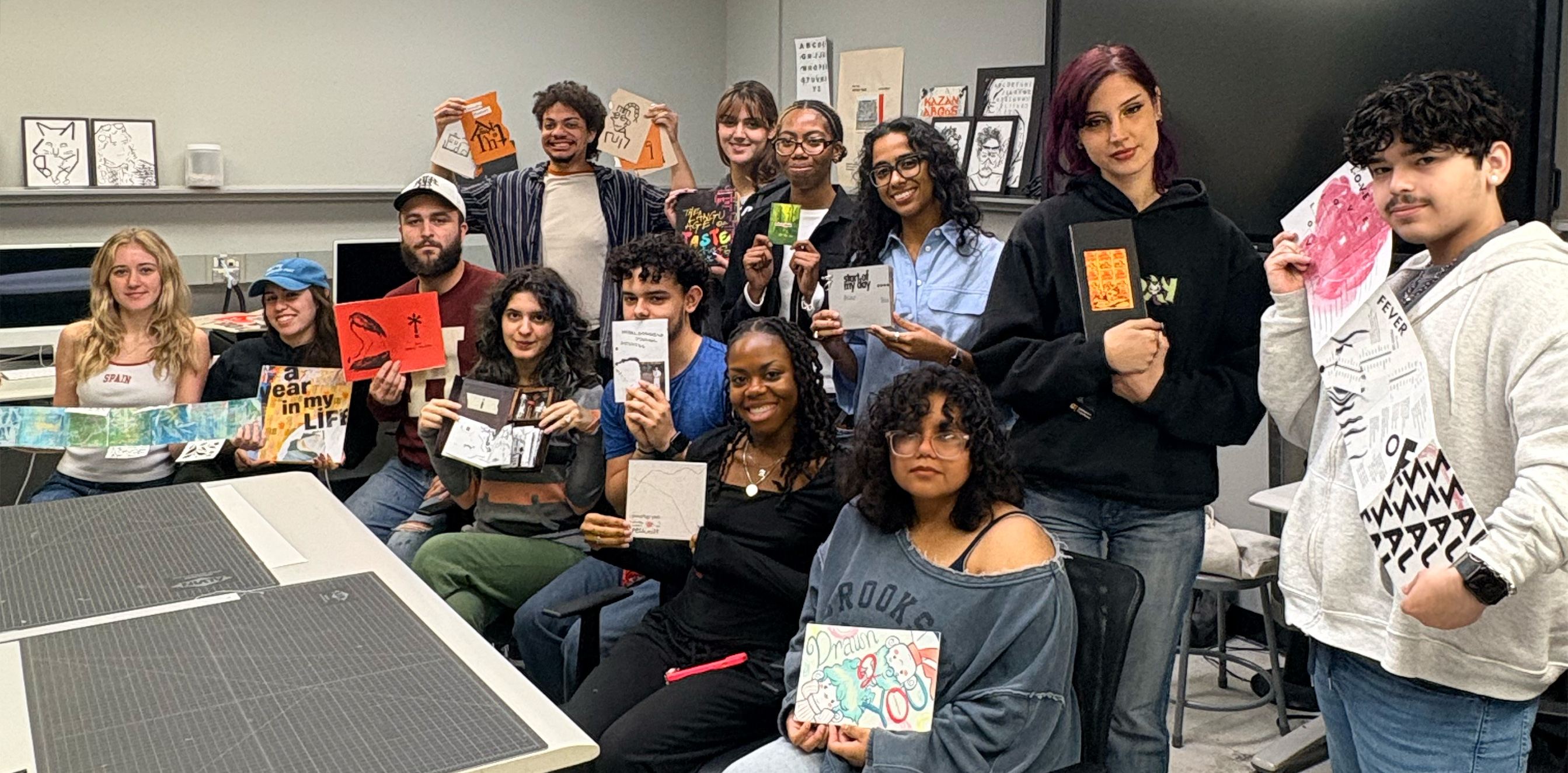
This project encourages students to tell a personal story through typography by creating an artist’s book or typographic calendar. Using expressive type, imagery, and thoughtful layouts, students will explore how visual elements can capture mood, rhythm, meaning, and even taste! Along the way, they will develop skills in typographic hierarchy, composition, sequencing, and creating a cohesive design that feels both personal and engaging.


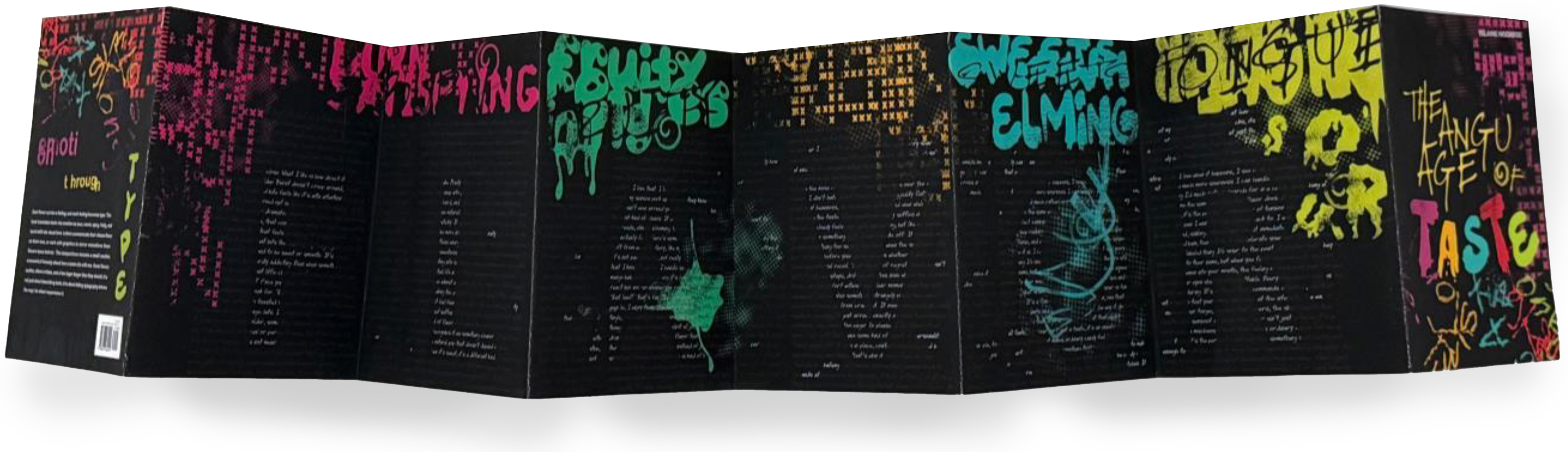
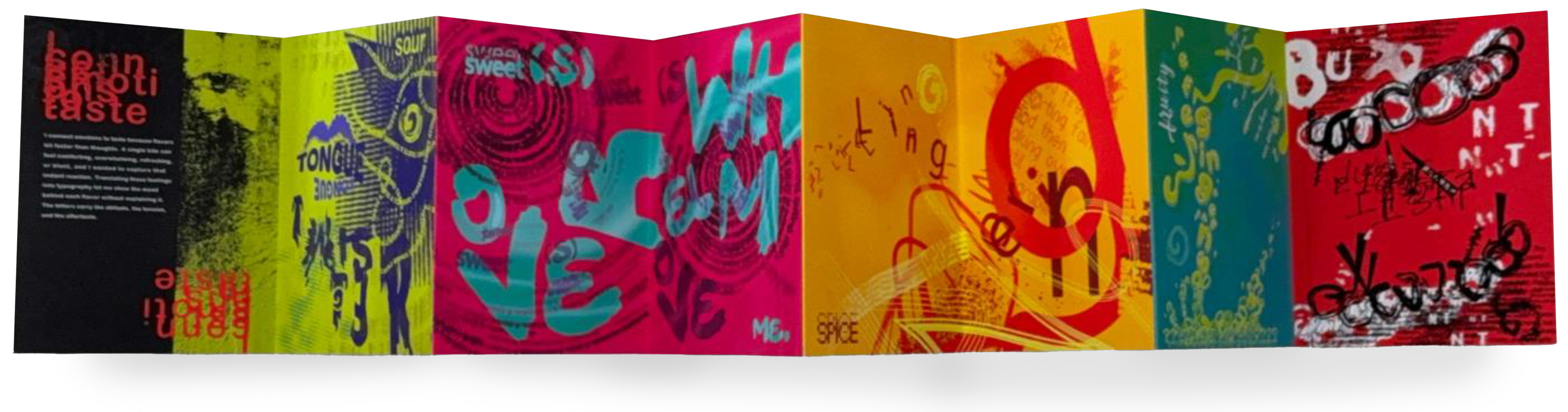
Artist's book The Language of Taste
This accordion-fold, flavor-based typographic exploration book has an ambitious goal: to translate taste into visual language through graphic design. How do you represent sour visually? How can sweetness be felt through typography? How might spiciness be expressed through form, rhythm, and type? This challenging project pushes the boundaries of sensory translation and is executed with clarity, intention, and is driven by a deep curiosity about the expressive power of design.
Student: Yelaine Nodarse
As students develop their personal narratives, they discover how typography can shape the way a story is experienced. Through sequencing, pacing, and the interplay of type and imagery, each spread becomes an opportunity to guide emotion, highlight moments, and build visual rhythm. By balancing experimentation with thoughtful design decisions, students create a cohesive publication that is both expressive and meaningful.

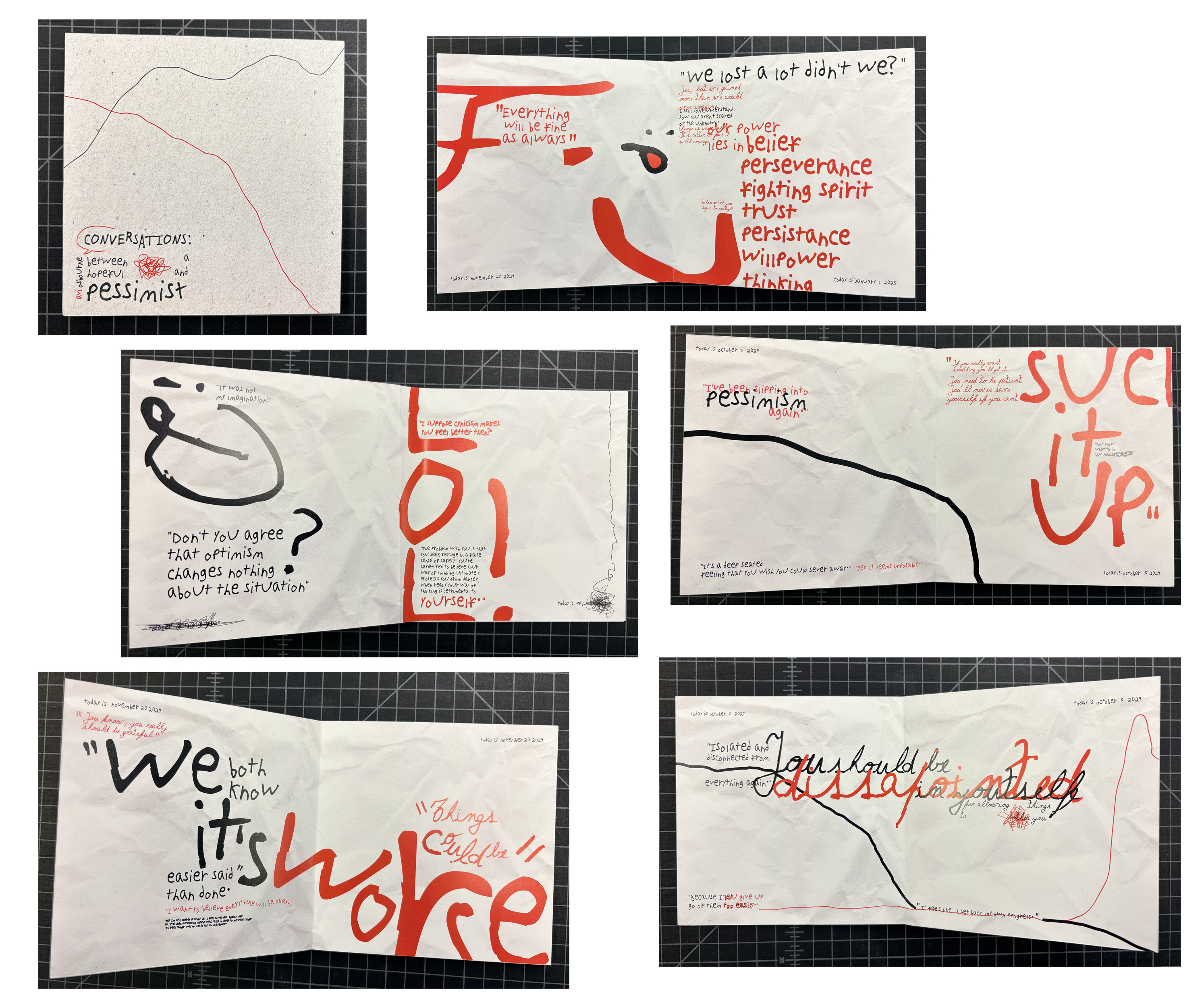
Artist's book Conversations between a Hopeful and Pessimist
Student: Avi O.
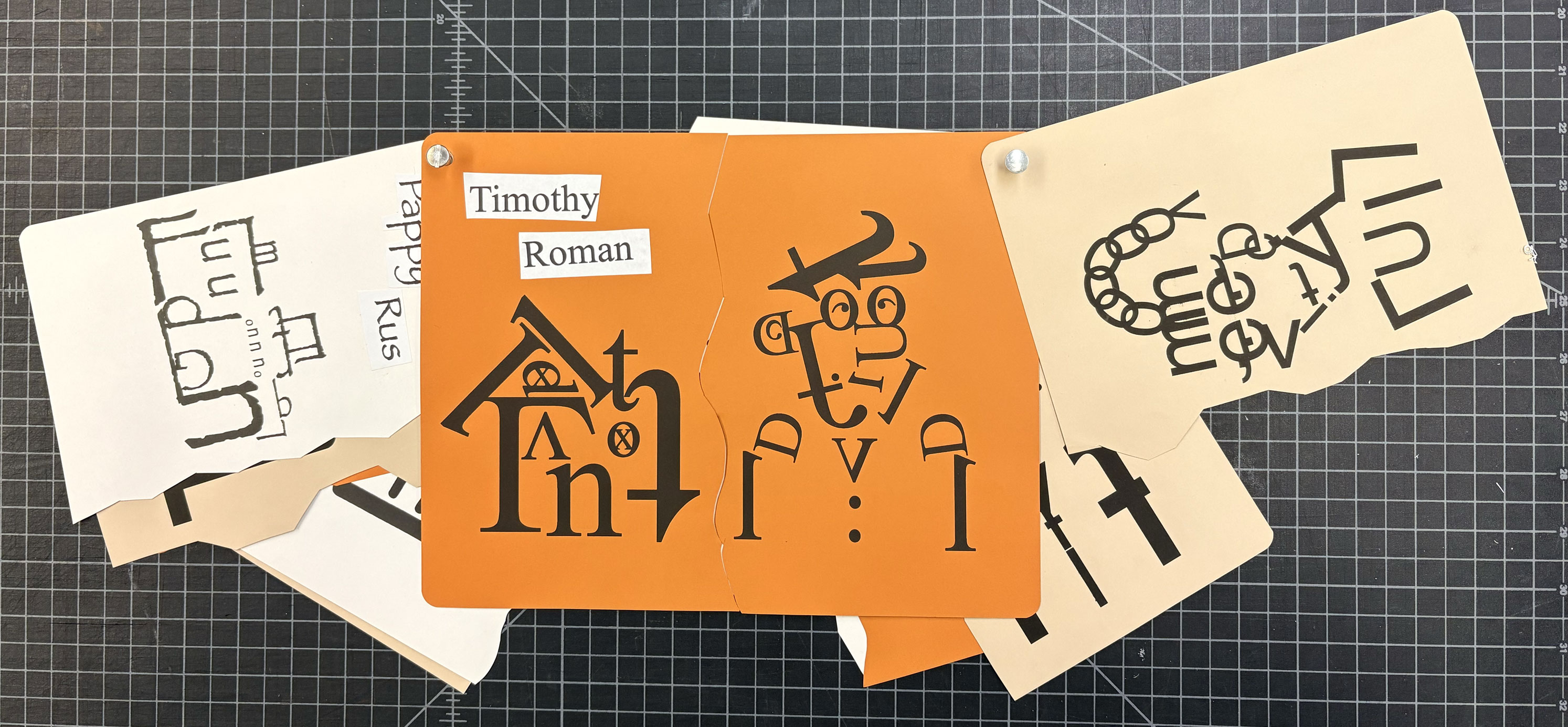
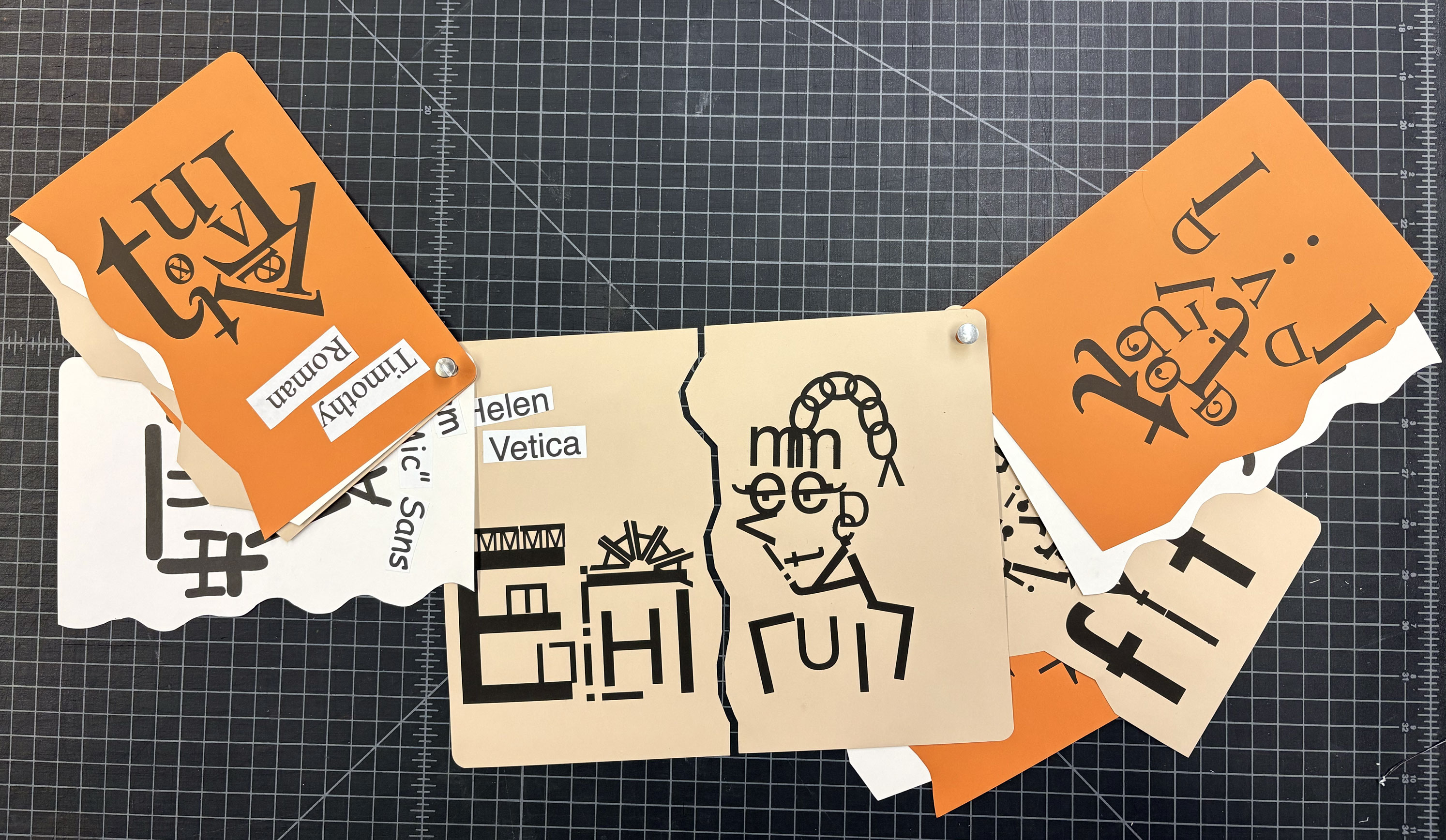
Artist's book Timothy Roman and Helen Vetica
These playful and clever artist's books feature matching pages that invite the reader to interact and play. Inspired by the challenge of pairing typefaces—and by the way serif fonts can complement sans serifs—the lighthearted dialogue between Timothy Roman and Helen Vetica becomes an endless game of discovery, encouraging readers to explore relationships, contrast, and harmony through typography.
Student: Sage Kelly
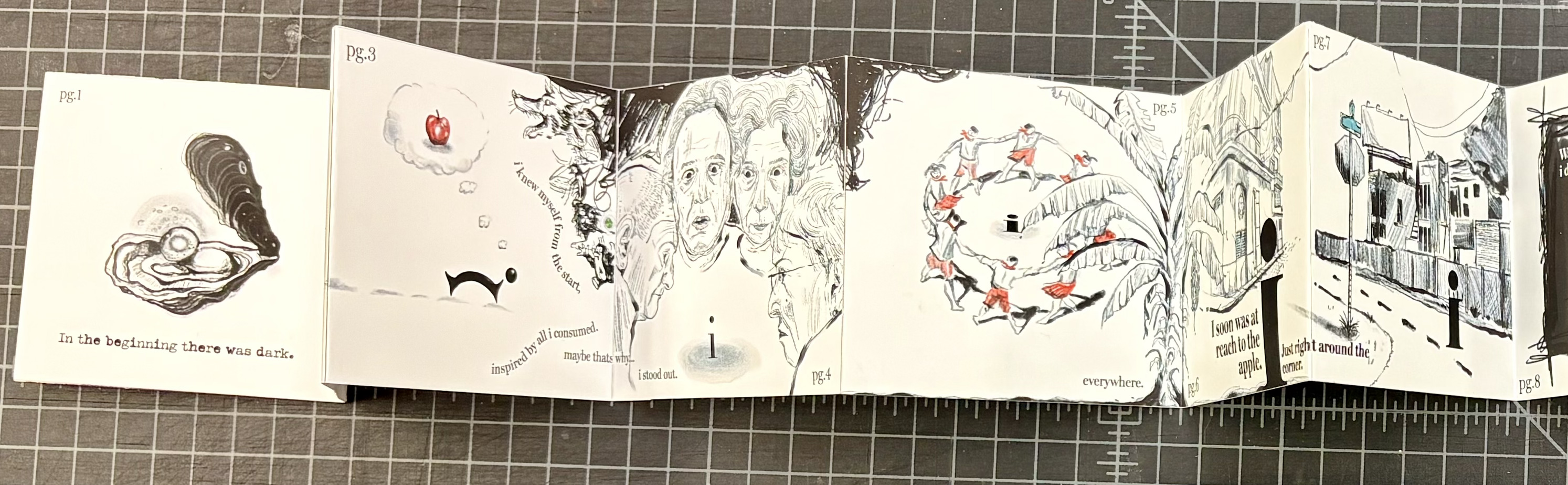
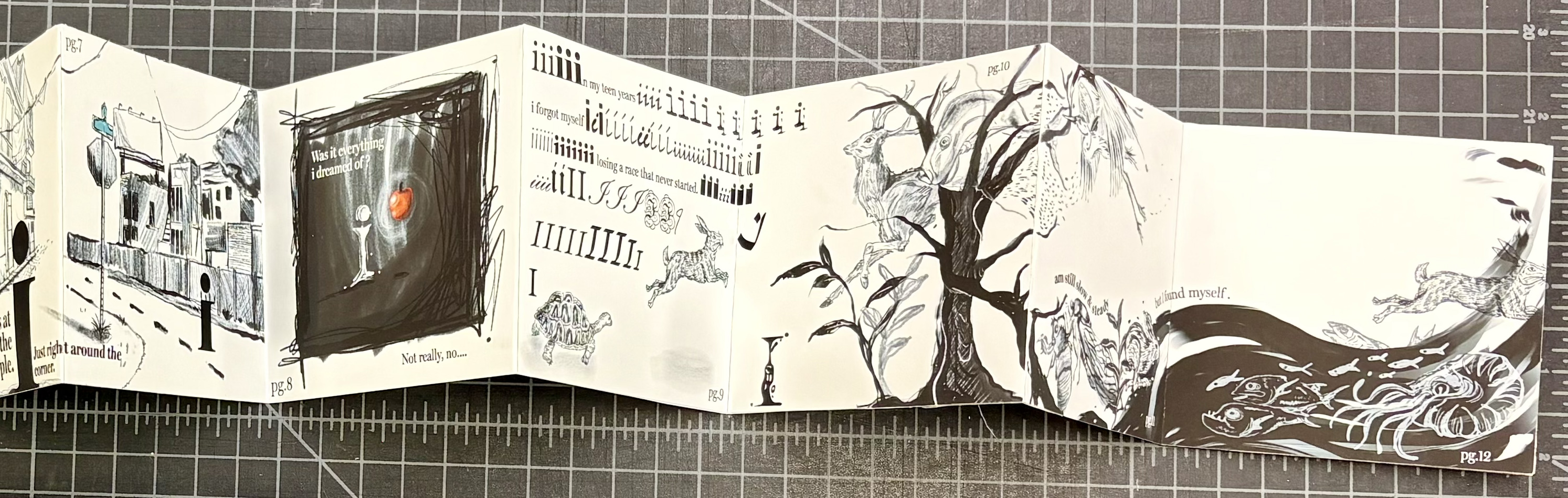
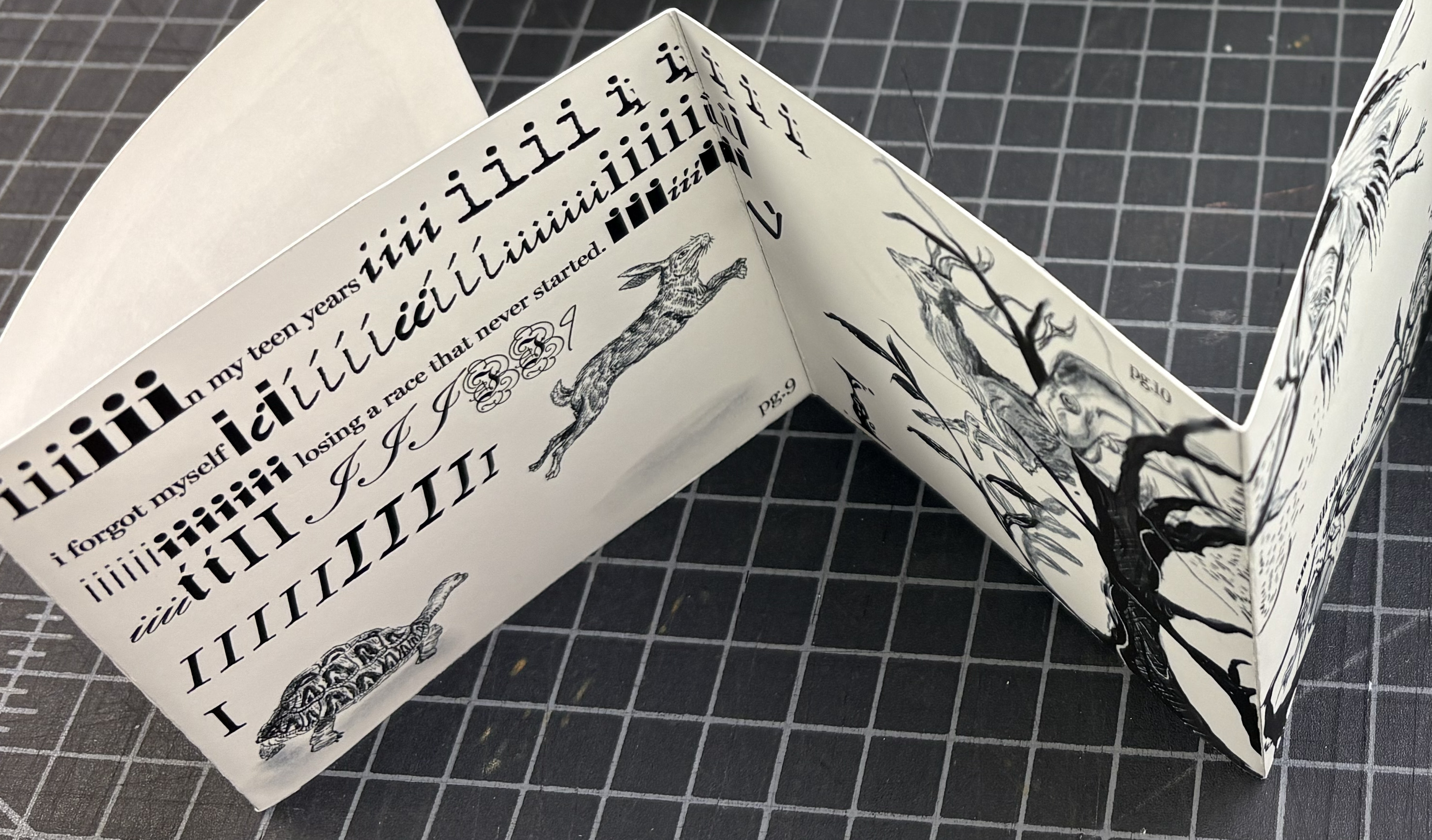
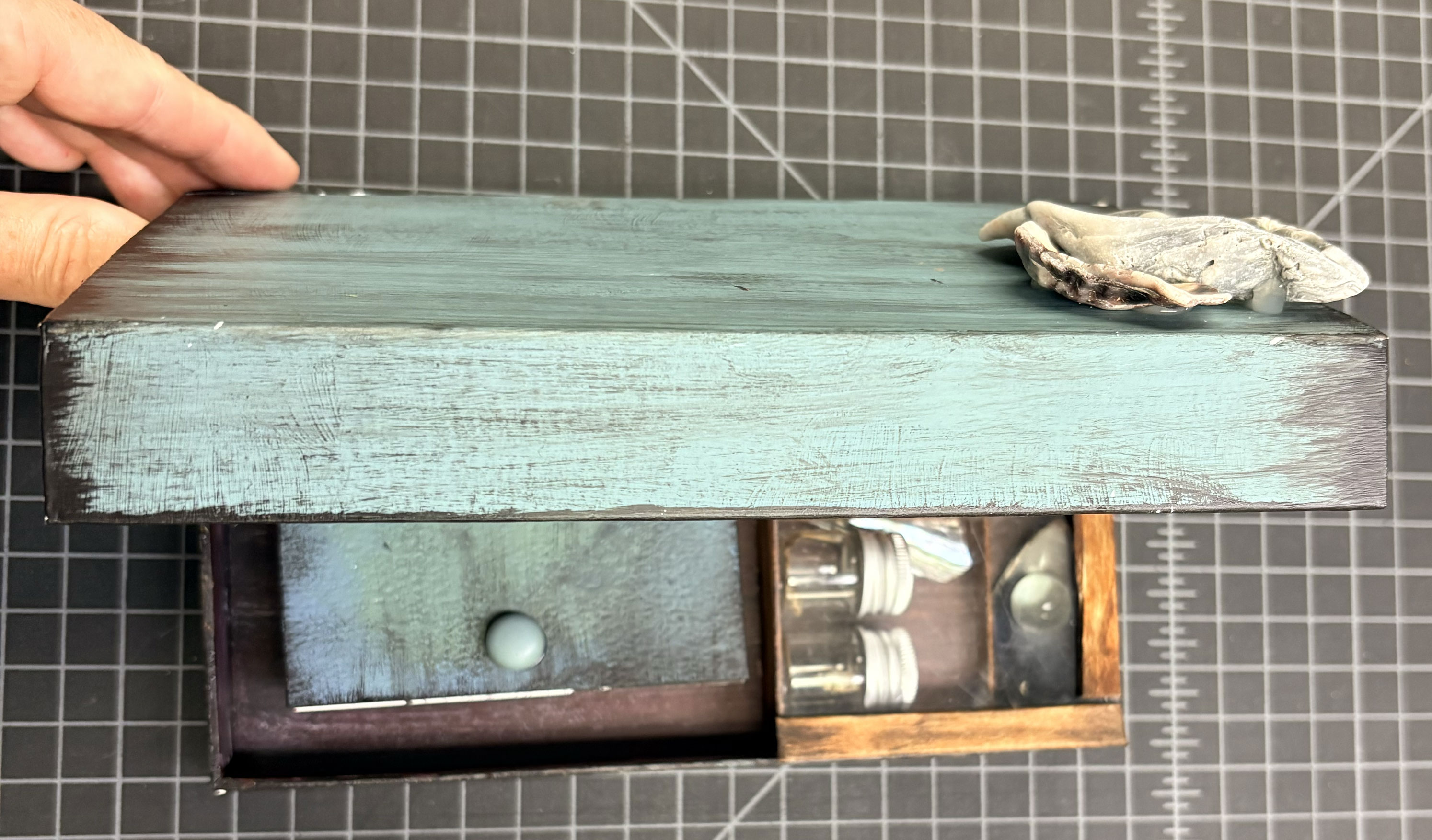
Artist's book i
This striking hand-drawn artist’s book explores the transformation of the self from childhood into adulthood, weaving in themes of changing environments, migration, and the search for a true identity. Through intimate, expressive imagery, it reflects on how place and experience shape who we become over time. The book is presented in a carefully crafted case that emphasizes its uniqueness and elegance, framing it as both a personal artifact and a refined object of design.
Student: Camila Diaz
An artist’s book is more than a sequence of pages—it is a way of giving form to personal stories and emotions. Through the interplay of typography, imagery, and composition, each spread creates a moment that invites reflection and connection. The finished book becomes both a meaningful narrative and a carefully crafted object meant to be experienced in the hands of its reader.